About Me
The future is no longer what it used to be. It feels more unpredictable than ever. No wonder: AI is changing how we interact with machines, how we perceive the world, and how we go about our daily lives.
I study Media Technology and Design at the University of Applied Sciences Upper Austria, Campus Hagenberg. As part of my studies, I build web applications, games, interfaces, and interactive 3D experiences. Depending on the project, I contribute to concept development, design, frontend development, and backend development. I particularly enjoy contributing to and leading projects that bring technology, design, and interaction together.
- University
- FH Upper Austria, Campus Hagenberg
- Degree
- BSc in Media Technology and Design, expected 2027
Skills
Programming Languages
Frameworks & Technologies
Tools
Project Context Used across Hex'n Catch, Mira, Incremental Tower Defense, Codor, and this portfolio.
Projects
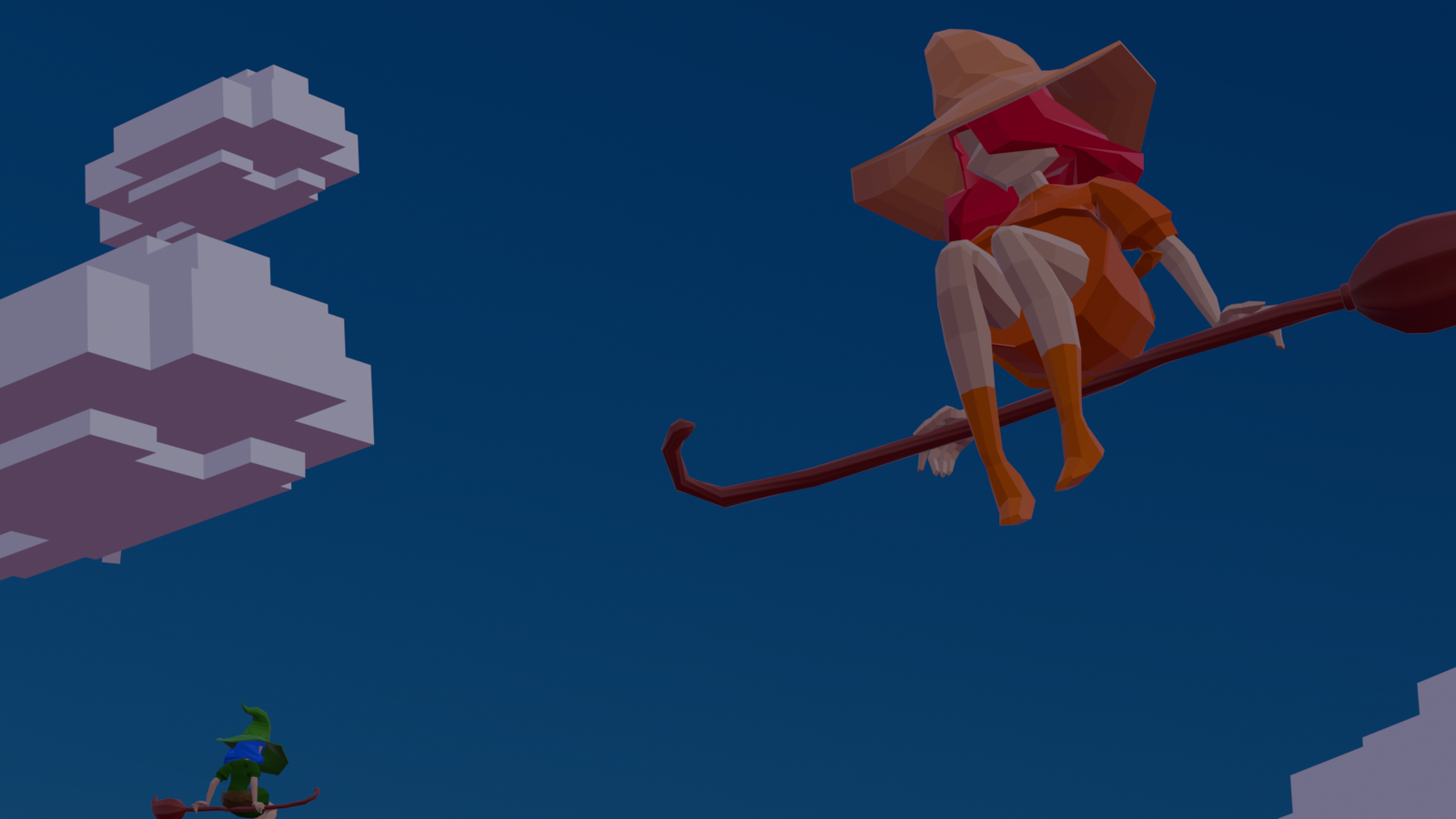
Hex'n Catch was developed by a six-person team. Three witches use teleportation, broom flight, and transformations to collect magical potions. A witch hunter counters them with abilities for tracking, chasing, and catching. The main technical challenge was connecting these two distinct gameplay loops in a stable four-player match.
- Team Lead
- Photon PUN 2 Networking
- Lobby, Role, and Match Synchronization
- Remote Player Interpolation
Room management with ready states and random role assignment; buffered interpolation and extrapolation for remote players; and RPCs plus Photon Custom Properties for abilities, scores, and match state.
The full presentation is available on YouTube.

Mira processes unstructured medical documents through a multi-stage pipeline. After automatic alignment and OCR, Qwen2.5 identifies diagnoses, symptoms, procedures, and medications. The extracted information is stored in SQLite, returned as structured JSON, and linked back to its source in the original text. During the semester project, recognized medical terms were additionally coded with SNOMED CT. The output was designed as a standardized data foundation for future integration with FHIR-based systems; FHIR itself was not part of the implementation.
- Frontend Development
- UI Design
- Backend Collaboration
Document alignment, OCR, Qwen2.5, SQLite, SNOMED CT, traceable JSON output, and preparation for FHIR-based downstream processing.
The presentation shows the full workflow and results of this team project.
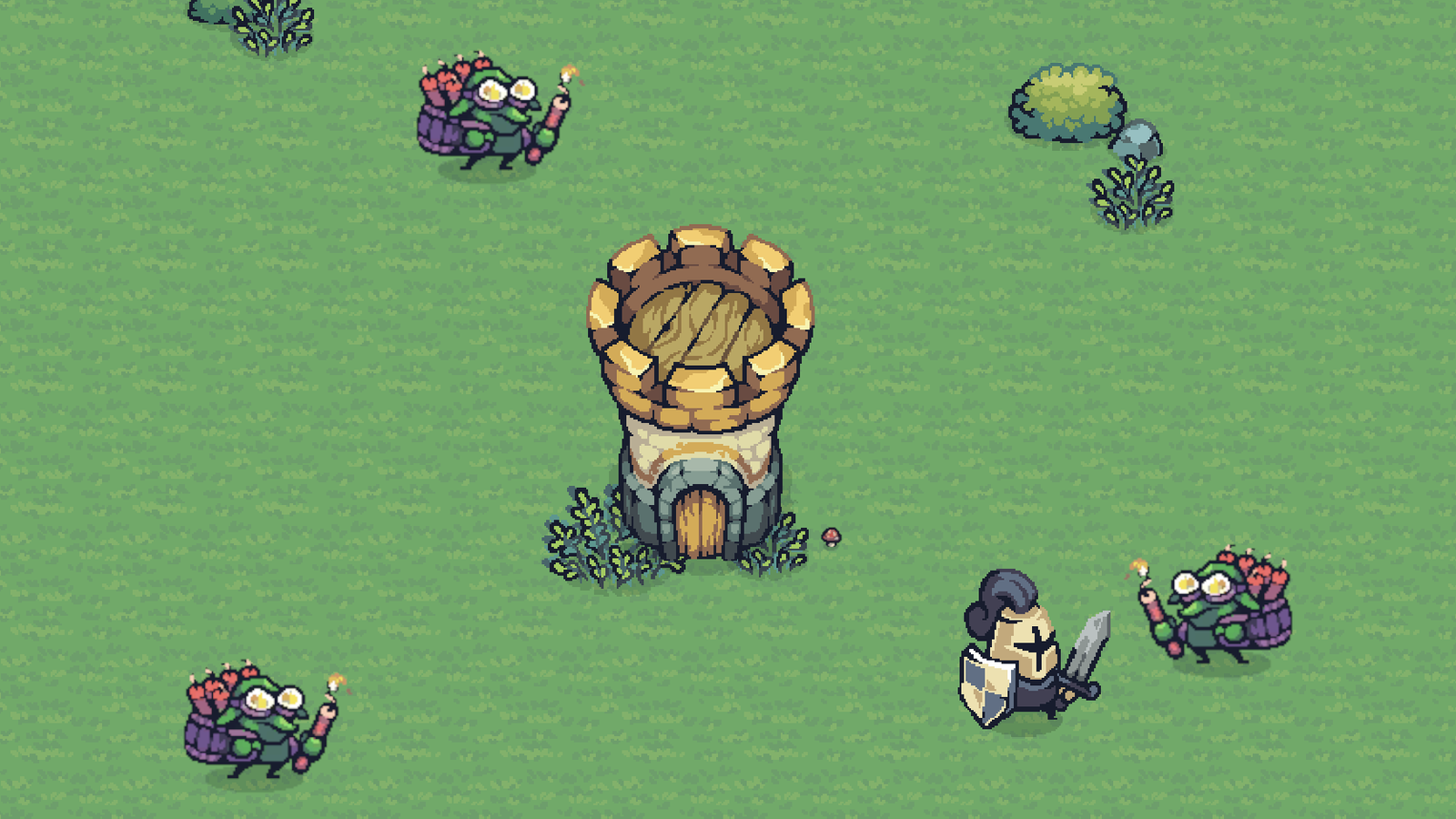
Incremental Tower Defense combines a 2D survival loop, incremental progression, and a physical controller. Enemies move from multiple spawn points toward a central tower while the player character automatically attacks targets within range. Defeated enemies provide gold for tower health, attack damage, attack speed, life steal, and defensive vines. Timed boss fights unlock new enemy types; defeating the final boss completes the run. An Arduino joystick can replace standard controls for movement and shop navigation, while LEDs indicate game progress.
- Team Lead
- Game Loop Development
- UI Design and Implementation
Unity and C# with scaling spawn rates, boss and upgrade systems, a shop built with Unity UI Toolkit, and serial communication between the game and Arduino hardware.
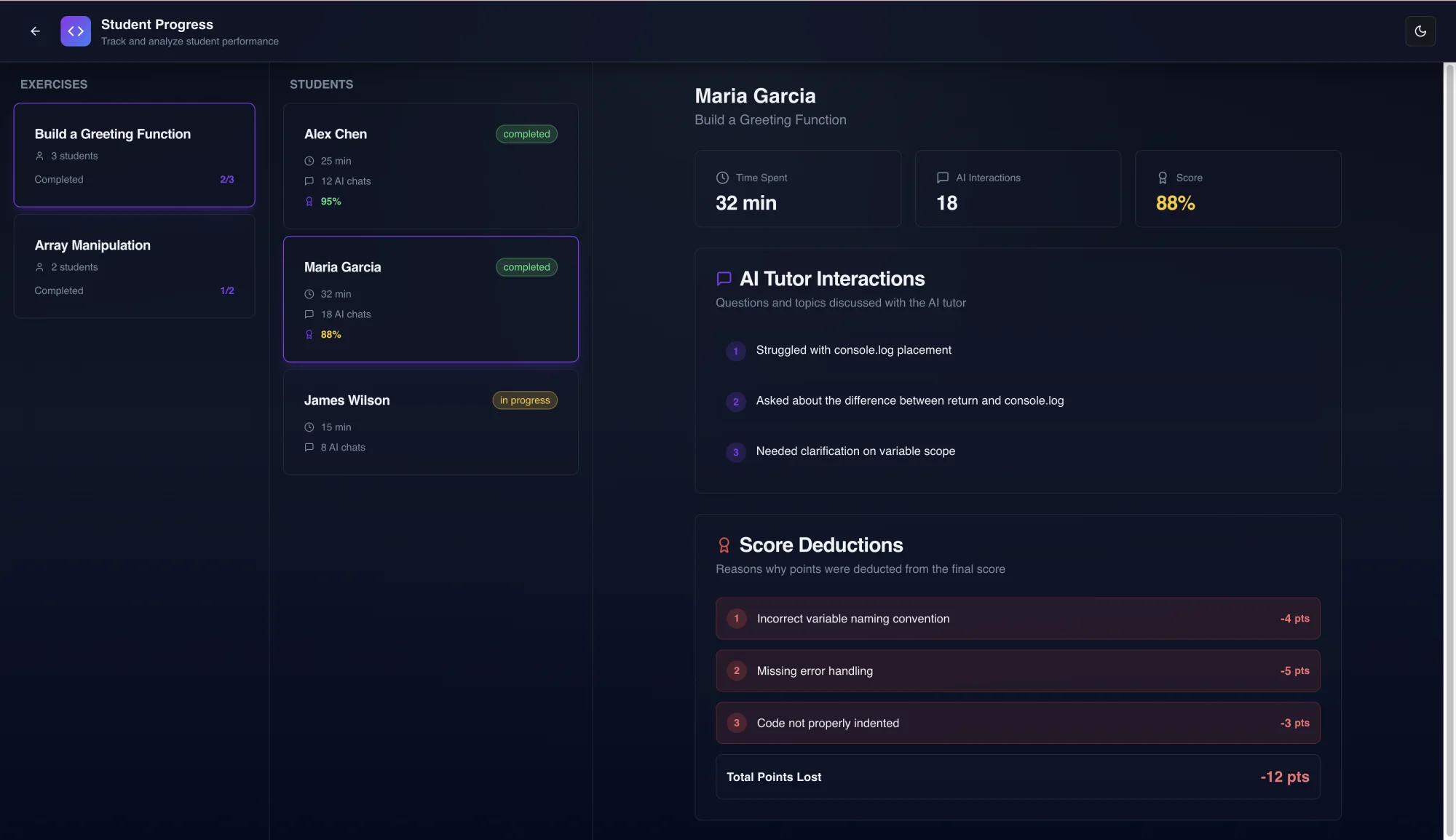
Codor was developed by the five-person "Hagenberger Fünfeck" team for the "Next-Gen Education" track. Teachers upload reference solutions, which Gemini 2.5 Flash-Lite converts into an assignment description and structured, editable steps. Students solve each exercise in the integrated code editor and receive contextual guidance from an AI tutor without being shown the final solution. A dashboard gives teachers visibility into submissions and learning progress.
- Frontend Development
- UI Design and Implementation
- Task and Step Workflow
- Learning Progress Dashboard
React and TypeScript with Monaco Editor; AI-assisted task and step generation via Gemini 2.5 Flash-Lite; and a REST API integration with a PHP/MySQL backend.
Third place at DevFest Linz 2025: The Great AI Hackathon at JKU.
The full presentation is available on YouTube.